
Last updated September 25, 2026
ADU Warning Signs: A Garden Grove Homeowner’s Reference Guide
In 2022, a Garden Grove homeowner paid $485,000 for a property with a converted garage ADU. The permit sticker was visible in the window. The rental application was denied. The building permit had been issued, but no Certificate of Occupancy had ever been finalized. For insurance, lending, and rental licensing purposes, the space was unpermitted despite looking legitimate. Most warning sign guides focus on cracks in drywall or sloping floors. The warnings that actually cost Garden Grove homeowners money live in the documents, not the drywall. This guide pairs visible defects with the paper trail that reveals whether you’re looking at a construction error, a permit omission, or a code violation the original contractor buried. For The Complete Guide to ADU in Garden Grove, see our more guides & resources.
Quick Answer
The most expensive ADU warning signs in Garden Grove are documentary, not cosmetic. A valid building permit without a Certificate of Occupancy, a contract that omits subcontractor disclosure, and electrical work that lacks AFCI/GFCI protection under California’s 2022 Electrical Code are defects that can void insurance coverage, trigger city enforcement, or cost $40,000-$90,000 to remediate. Visible cracks, moisture stains, or uneven floors matter, but only after you’ve verified the permit history, the CO status, and whether the original contractor pulled all required trade permits.
Table of Contents
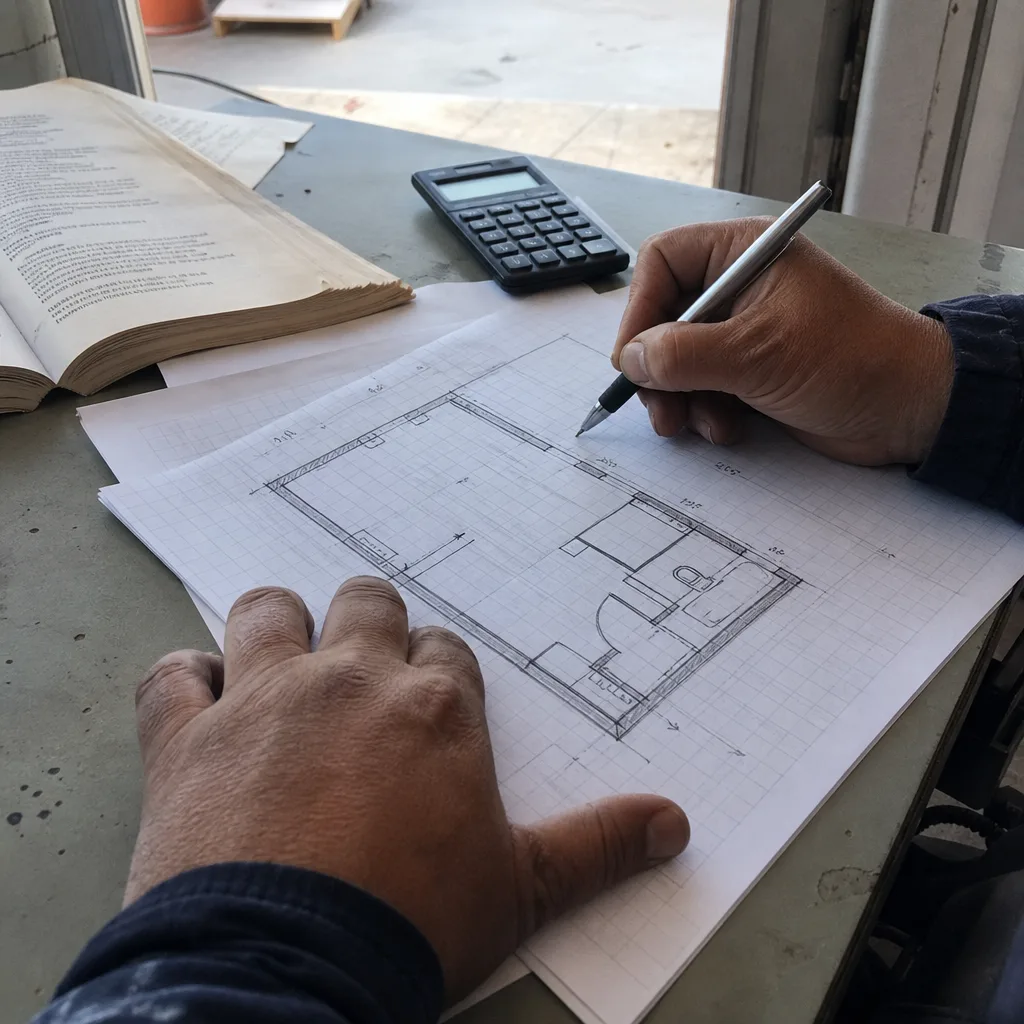
- Document Red Flags: Reading Garden Grove Property Records Like a Permit Expeditor
- Structural Warning Signs in Garage Conversion ADUs
- Electrical Panel and Subpanel Red Flags in Detached ADUs
- Plumbing Warning Signs in Junior ADUs and Interior Conversions
- Contractor Red Flags Before Construction Starts
- Prefab and Modular ADU Warning Signs
- Common Mistakes to Avoid
- When to Call a Professional
- Frequently Asked Questions
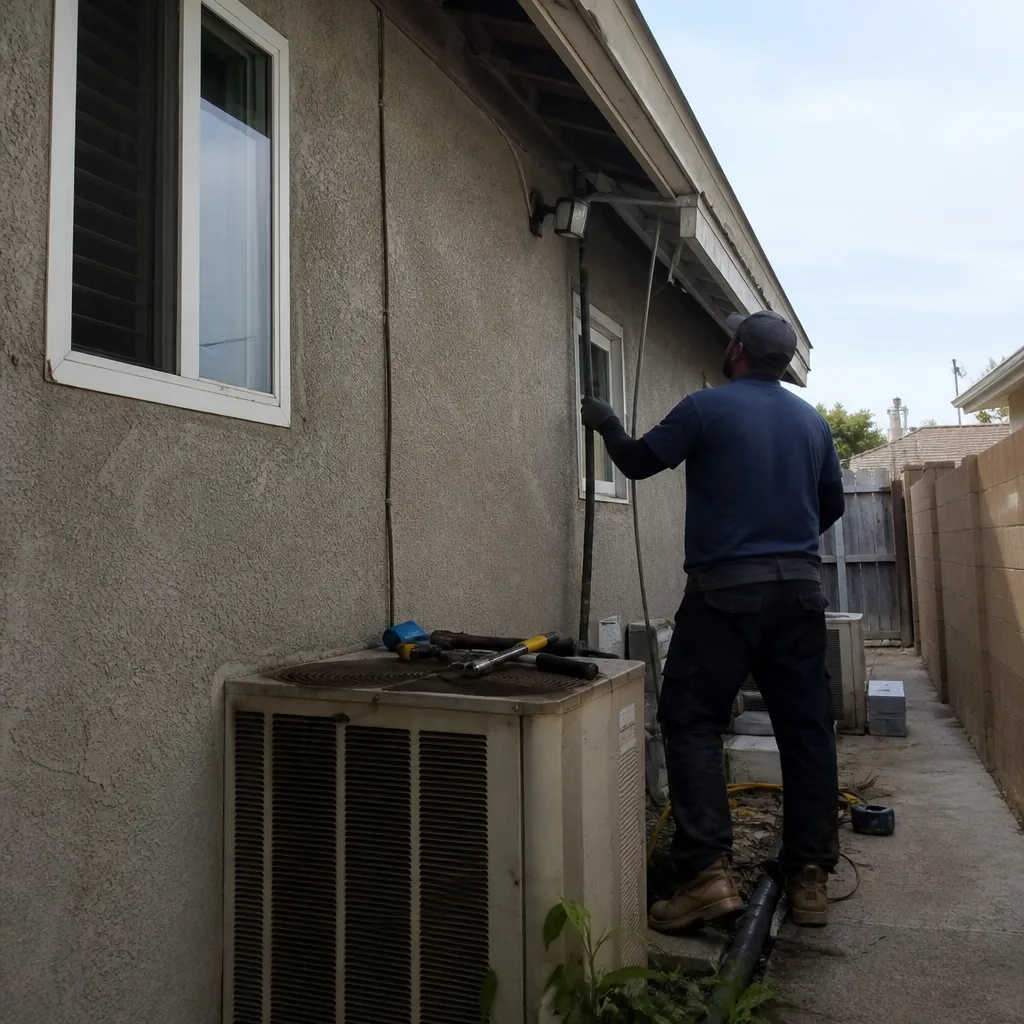 Before
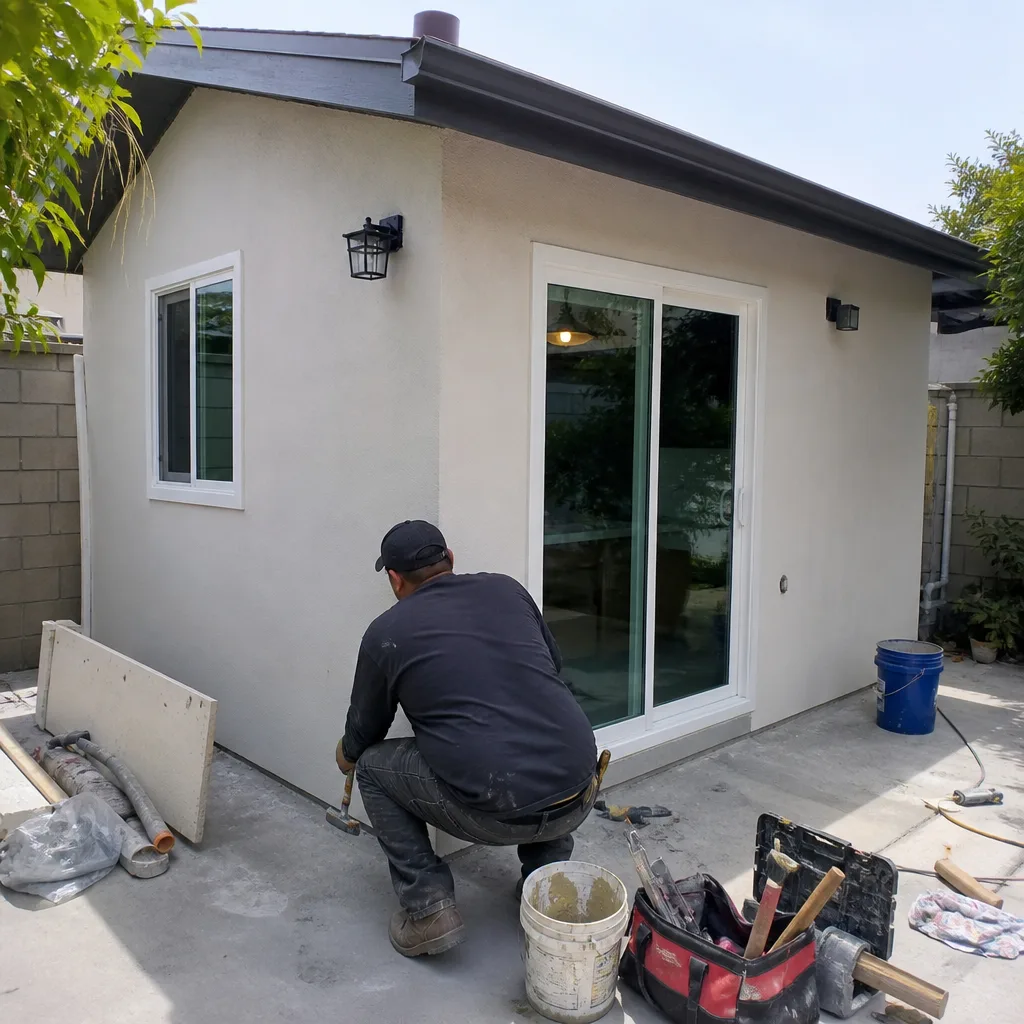 After
AfterDocument Red Flags: Reading Garden Grove Property Records Like a Permit Expeditor
The most dangerous ADU defect is the one that looks legal. In Garden Grove, as in the rest of Orange County, a building permit and a Certificate of Occupancy are separate documents with separate approval workflows. A permit authorizes construction. A CO authorizes habitation. One without the other is a liability, not an asset.
How to Verify Permit and CO Status in Garden Grove
Orange County maintains property records through multiple portals. Here’s the exact sequence we use when evaluating a property for ADU Design & Permitting in Garden Grove:
- Start with OC Property Search: The Orange County Assessor’s portal at ocassessor.com provides the base parcel number (APN) and historical permit references. This shows whether permits were applied for, but not whether they were completed.
- Cross-reference with the City of Garden Grove: The city’s Community Development Department maintains separate records for permits issued within city limits. Call (657) 567-6590 or visit the counter at 11222 Acacia Parkway to request a permit history printout. Online access is limited; the counter search is more reliable for ADU-specific records.
- Demand the Certificate of Occupancy: Ask for the CO document specifically, not just “permit status.” A finalized permit without a CO means the city never verified final inspection compliance. This is the exact scenario that trapped the 2022 buyer.
- Check for trade permit finalization: Electrical, plumbing, and mechanical permits must each be separately finalized. A building permit with open trade permits is functionally incomplete.
Red Flags in the Paper Trail
- Permit applied for as “storage” or “workshop” but finished as living space: This is common in 1960s-1980s Garden Grove garage conversions. The original permit authorized a non-habitable space. Any kitchen, bathroom, or sleeping area added without permit amendment is unpermitted work.
- Phased permits with gaps: A foundation permit from 1987, a framing permit from 2019, and no final inspection. This pattern suggests the original contractor abandoned the project or failed inspection and never returned.
- Owner-builder permits on rental properties: California allows owner-builder permits for personal residences, but not for properties intended for rental. An owner-builder permit on a clearly rental-targeted ADU raises insurance and liability questions.
- Missing HCD compliance documentation for factory-built units: Prefab and modular ADUs require California Department of Housing and Community Development (HCD) insignia. The permit file should include HCD documentation; its absence means the unit may not be legally installable.
In our experience reviewing Garden Grove properties since 2015, roughly 30% of existing garage conversions have permit histories with at least one critical gap. The visible construction may be sound. The documentation often isn’t.
Structural Warning Signs in Garage Conversion ADUs
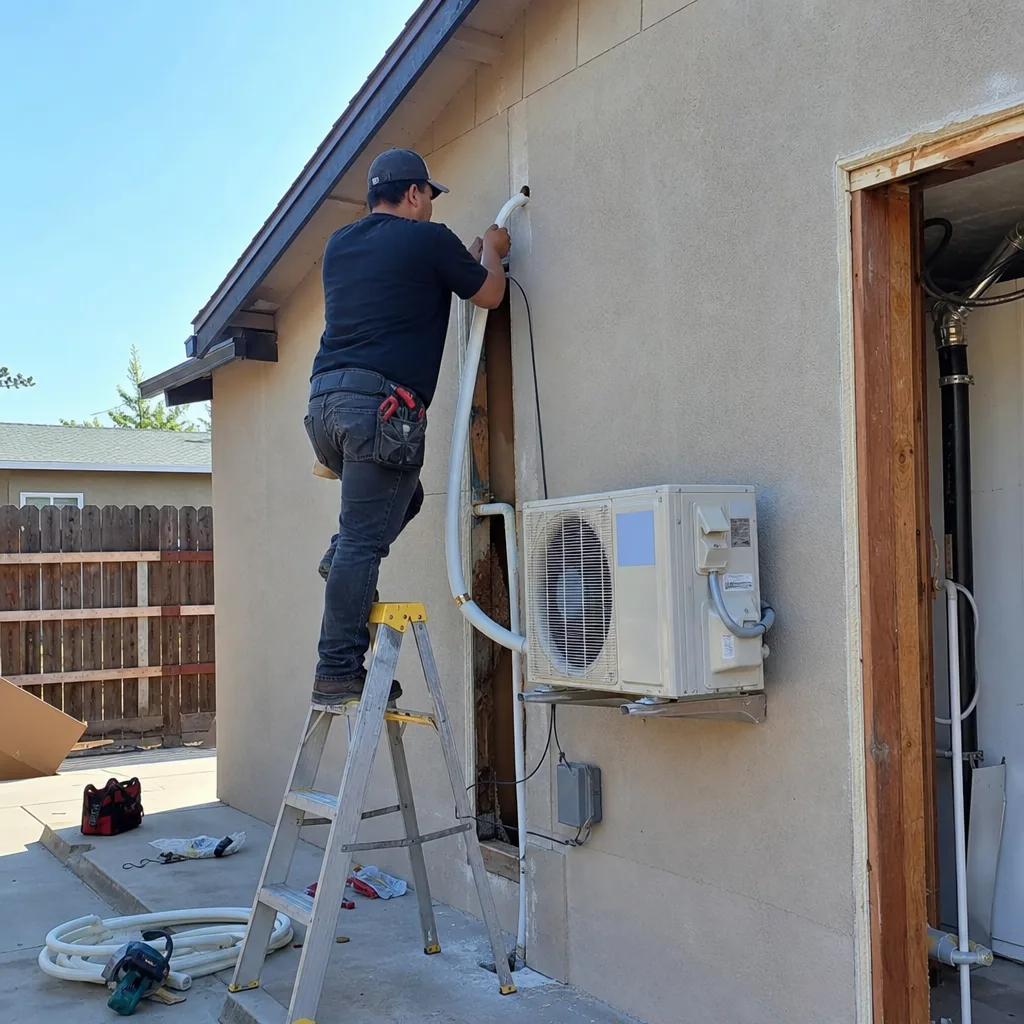
Garden Grove’s housing stock is heavily weighted toward 1960s-1980s construction: single-story ranch homes on slab foundations with 2-car garages facing alleyways or side streets. These garages were built to store vehicles, not support habitable loads. The structural adaptations required for conversion are specific, and the failures follow predictable patterns.
Headers and Opening Modifications
Original garage door openings in this era typically used 2×10 or 2×12 headers spanning 16-18 feet. Converting to a living space requires either:
- A new header sized for the reduced opening (if a door or window replaces the garage door), or
- A beam engineered to carry roof and ceiling loads if the opening is fully enclosed
We’ve found headers left in place with plywood infill and stucco over the top. The original header was designed for vertical wind load on a garage door, not the dead load of a wall assembly with insulation, drywall, and a window. The warning sign: a horizontal crack running from the former garage door corner toward the side wall, or doors and windows in the converted space that bind seasonally as the header sags.
Moment Frames and Shear Walls
California’s seismic requirements mean garage conversions often require moment frames or shear walls where the garage door once provided lateral bracing. A moment frame is a steel or engineered wood frame that resists rotation at the joint, allowing the opening while maintaining structural integrity.
The warning sign is usually visible from the exterior: a narrow steel column at each side of the former door opening, or a noticeably thicker wall section (6 inches or more) where a standard 2×4 stud wall would suffice. If you see a smooth, unbroken wall where the garage door was, and no visible structural reinforcement, the lateral bracing may be missing. In Garden Grove’s 1960s tracts, this omission is common in owner-builder conversions from the 2000s.
Slab Edge Conditions
Garage slabs in this era were typically poured at grade or slightly below, with no stem wall or with a minimal 4-inch curb. Habitable space requires protection from moisture and termites. The correct detail is a raised floor system or a stem wall with proper dampproofing.
Warning signs: carpet or flooring that feels damp seasonally, baseboards with dark staining at the bottom, or a floor that steps down noticeably from the main house. In Garden Grove’s clay-heavy soils, we’ve also seen slabs that heaved differentially, creating a slope toward the garage door that pools water during winter rains.
When we assess a Garage Conversion ADU in Garden Grove, we document the existing slab thickness, edge condition, and elevation relative to the house. Clients receive this in writing, with photos, before any design work begins.
Electrical Panel and Subpanel Red Flags in Detached ADUs
Detached ADUs in Garden Grove require either a service upgrade to the main panel or a subpanel fed from the main service. California’s 2022 Electrical Code, effective statewide, added AFCI (Arc Fault Circuit Interrupter) and GFCI (Ground Fault Circuit Interrupter) requirements that many existing ADUs lack. The visible signs of electrical problems are often subtle; the documentary and code violations are not.
Double-Tapped Breakers
A double-tapped breaker has two conductors connected to a terminal designed for one. This is a code violation in almost all cases and a fire hazard when the conductors are of different gauges or materials. In detached ADUs, we see this when an original subpanel was later expanded without proper bus bar modification.
Warning sign: two wires visible under a single breaker screw, or a breaker that feels warm to the touch. In panels from the 1980s-1990s common in Garden Grove, the breakers may also be obsolete (Federal Pacific, Zinsco) and no longer manufactured.
Undersized Service and Subpanel Feed
A detached ADU with a full kitchen, laundry, and HVAC typically requires 100-amp minimum service. Many Garden Grove properties were built with 100-amp main services for the entire house. Adding a detached ADU without upgrading to 200-amp service creates an overloaded condition.
Warning signs: breakers that trip under normal load, lights that dim when the ADU’s air conditioner cycles on, or a subpanel fed with aluminum SE cable sized for 60 amps. The 2022 code also requires separate meterability for ADUs over certain sizes, which affects service sizing decisions.
Missing AFCI/GFCI Protection
AFCI protection is now required for virtually all habitable space circuits. GFCI is required for kitchens, bathrooms, laundry, garages, and exterior outlets. Existing ADUs are not automatically grandfathered if they undergo “substantial modification,” a term defined in the code but often interpreted broadly by inspectors.
Warning signs: standard breakers in panels where AFCI/GFCI breakers should be present, or receptacles without the “TEST” and “RESET” buttons in required locations. The remediation cost is typically $800-$2,400 for panel work alone, not including any wiring deficiencies discovered during the update.
Under The Haven Standard, Clause 5 (No Surprises), we specify the exact electrical scope, including service size, panel type, and protection devices, in the written price before any work starts. No door-side upsells when the panel is opened.
Plumbing Warning Signs in Junior ADUs and Interior Conversions
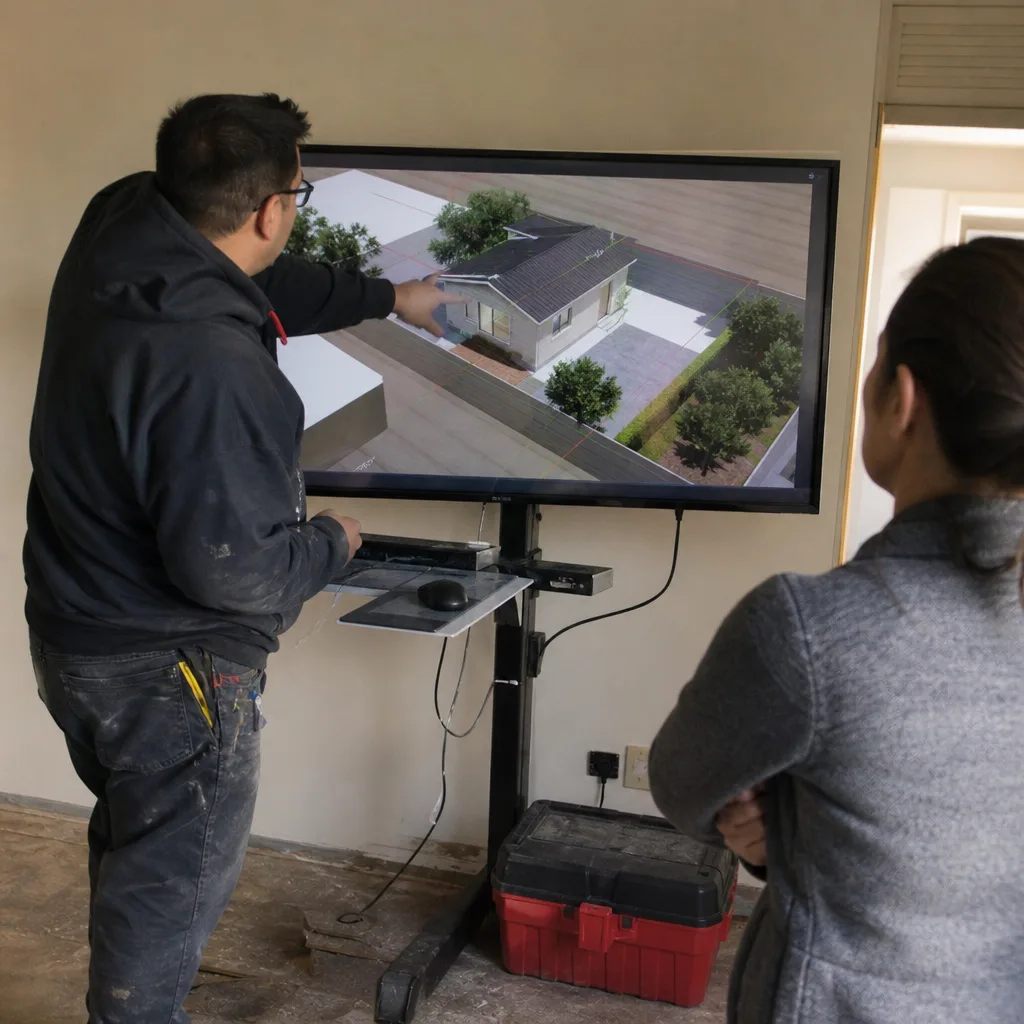
Junior ADUs (JADUs) are created within the existing footprint of a single-family home, typically by converting a bedroom or portion of the house. In Garden Grove, where lot sizes average 6,000-7,500 square feet, JADUs are often the only feasible ADU type. The plumbing adaptations are constrained by existing drain lines, and the energy code adds complications that weren’t present a decade ago.
Shared Water Heater Arrangements
California’s Title 24 energy code requires JADUs to meet specific efficiency standards. A common mistake is connecting the JADU to the main house’s existing water heater without verifying capacity or efficiency rating. The 2022 code updates require that shared systems be sized for the combined load and meet minimum efficiency factors.
Warning signs: hot water that runs cool after two minutes of use, a water heater that cycles constantly, or a tankless unit that throws error codes during peak demand. The documentary red flag is a permit set that shows “existing water heater” without load calculations or a compliance form.
Drain Line Slopes and Kitchen Additions
Many JADUs start as bedroom conversions, then add a kitchenette later without permit amendment. Kitchen drains require 2-inch minimum lines with 1/4-inch-per-foot slope. Existing 1.5-inch bathroom drains, common in 1960s Garden Grove construction, cannot legally carry kitchen waste.
Warning signs: slow drains, gurgling sounds when the main house’s fixtures run, or sewage odors that worsen in summer. The physical evidence is often a kitchen sink connected to a wall with a 1.5-inch cleanout visible. The paper trail gap is a permit history showing bathroom work but no kitchen or drain modification.
Gas Line Extensions and Seismic Shutoffs
JADUs with gas appliances require seismic shutoff valves per California Plumbing Code. We’ve found gas lines extended through walls without proper sleeve protection, or shutoff valves installed in inaccessible locations. The warning sign is a gas line that enters the JADU through an unsealed wall penetration, or a shutoff valve behind a permanent cabinet.
When we design Ellery ADU Studio Garden Grove home projects, we specify every plumbing line size, slope, and connection point in the permit set. The drawings are the product, not an afterthought.
Contractor Red Flags Before Construction Starts
The most expensive ADU problems are contracted, not constructed. A poorly written contract transfers risk to the homeowner, obscures subcontractor relationships, and creates the designer-versus-builder blame gap that derails projects. Here are the specific contractual warning signs we’ve identified in 900+ ADU projects since 2015.
Subcontractor Disclosure Omissions
California Business and Professions Code Section 7108 requires prime contractors to disclose subcontractors performing work exceeding $500 or 5% of the contract price (whichever is less). Many contracts omit this disclosure or bury it in general language.
The warning sign: a contract that states “contractor may use subcontractors as needed” without naming them, or that assigns subcontractor payment responsibility to the owner. The latter is a red flag that the prime contractor is undercapitalized and using your funds to float subcontractor payments.
Under The Haven Standard, Clause 3 (Single Point of Accountability), Ellery ADU Studio Garden Grove operates under one contract for design and construction. The license number appears on every page. Subcontractors, when used for specialized trades, are named in the written scope and paid from our contract funds, not yours.
Vague Scope Language and Change Order Traps
Contracts that describe work as “install ADU per plans” or “complete construction as specified” create ambiguity that generates change orders. The Haven Standard, Clause 5, requires line-item specificity: “4-inch concrete slab with #4 rebar at 18 inches on center, 3000 PSI, with vapor barrier and edge insulation per Title 24.” Not “concrete work.”
Warning signs: a contract with fewer line items than there are major trades, or percentage-based allowances (“electrical allowance: $8,000”) without specification of what that allowance covers. When the allowance is exhausted, every additional dollar becomes a change order.
Missing Written Price Guarantee
A contract that requires “deposit to begin design, final price to be determined” is not a fixed-price contract. It’s a cost-plus contract with an unknown ceiling. The homeowner bears all risk of design complexity, material price fluctuation, and permit delay.
Under Haven Standard Clause 1, every project is quoted with a written price before any work begins. The words “call for a quote” do not appear on our site because they do not describe our process. Explore more guides & resources to learn how we work.
No Documentation Commitment
Contracts that promise “quality workmanship” without defining documentation standards leave no evidence of what was found or done. The Haven Standard requires a documented photo record on every visit. Clients receive evidence, not summaries.
Prefab and Modular ADU Warning Signs
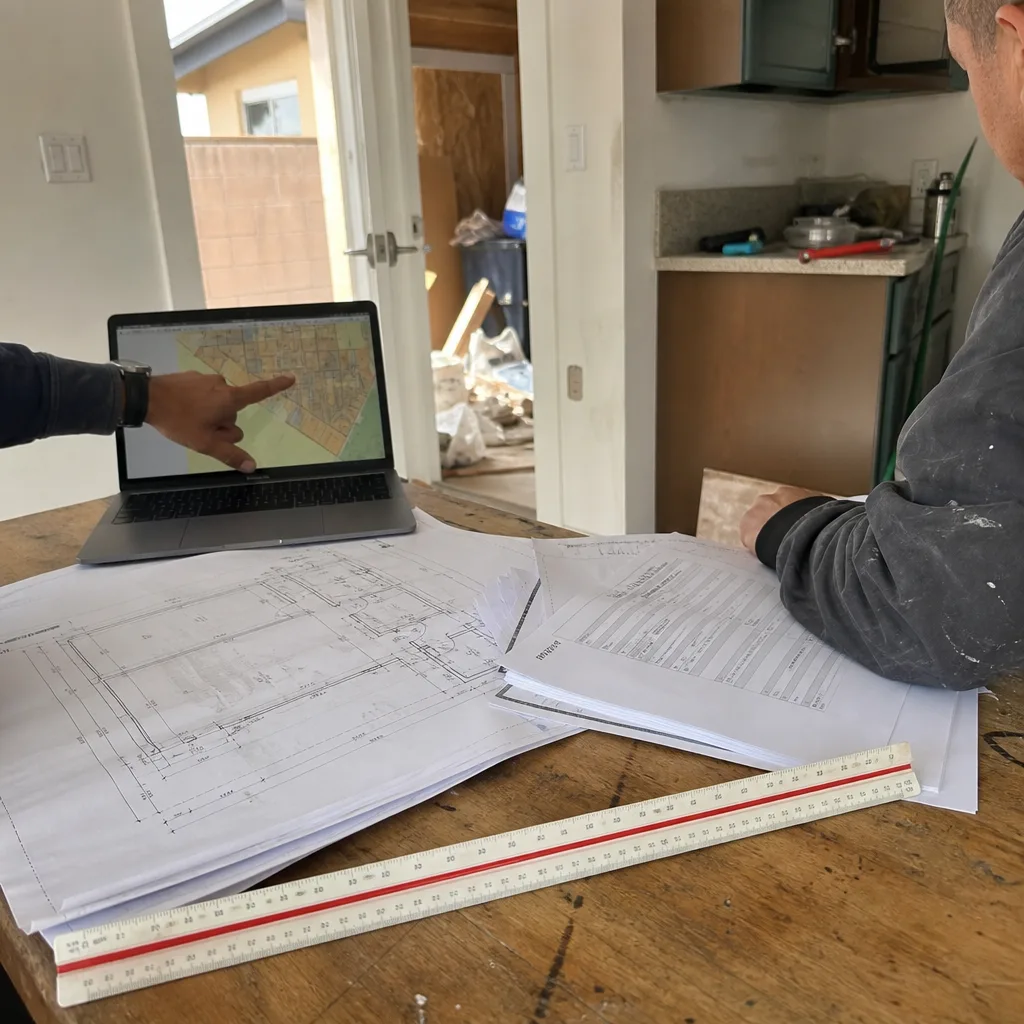
Prefab and modular ADUs from brands including Mighty Buildings, Boxabl, Plant Prefab, and Tuff Shed offer factory-controlled quality and compressed construction schedules. They also introduce warning signs that site-built ADUs don’t have, centered on transportation, site preparation, and the integration of factory and field work.
HCD Insignia and Factory Documentation
Every modular unit installed in California must carry an HCD insignia, a metal plate verifying factory inspection. The absence of this plate is a stop-work condition. Warning signs: a unit delivered without visible insignia, or a contractor who cannot produce the HCD compliance certificate.
Foundation and Utility Interface Precision
Prefab units require foundations built to tighter tolerances than site-framed construction. A slab poured 2 inches out of square can be adjusted with framing. A prefab unit with factory-attached walls cannot. Warning signs: a foundation contract that doesn’t specify maximum deviation from level and square, or a prefab quote that excludes site prep entirely.
We’ve coordinated Mighty Buildings and Plant Prefab installations where the foundation tolerance was specified at 1/8 inch over 40 feet. The site contractor had never worked to that precision. The integration failed. Under our single-contract model, the foundation and unit installation are scoped together, with one party accountable for the interface.
Transportation and Crane Access
Boxabl units and similar foldable systems reduce transport width but still require clear access routes. Warning signs: a quote that assumes street delivery without verifying utility line height, tree clearance, or driveway load capacity. In Garden Grove’s older neighborhoods with mature street trees and overhead power, this verification is essential.
When we specify prefab systems, we include a site logistics plan in the permit set: crane location, truck approach, and utility clearance. The drawings show what the truck driver needs to know before leaving the factory.
Common Mistakes to Avoid
- Assuming a visible permit sticker means legal occupancy: The sticker proves a permit was issued, not that it was finalized or that a Certificate of Occupancy was granted. Always verify CO status through the City of Garden Grove.
- Accepting a contractor’s verbal assurance about code compliance: Code interpretations vary by inspector and change with code cycles. Demand the specific code edition cited in the permit application and the specific compliance method documented in the plans.
- Buying a property with an existing ADU without a professional review: The $485,000 purchase with a $90,000 remediation cost started with a skipped inspection. A pre-purchase ADU assessment costs a fraction of the surprise.
- Treating prefab and site-built ADUs as interchangeable for financing: Some lenders classify factory-built units as personal property, not real estate, affecting loan terms and appraisal. Verify lender acceptance before committing to a prefab brand.
- Ignoring the main house service capacity when adding a detached ADU: A 100-amp main service with a 100-amp detached ADU subpanel is a 200-amp load on a 100-amp service. The math is simple; the oversight is common.
- Failing to verify that a JADU’s kitchen drain was permitted: The bedroom-to-kitchen conversion is the most common unpermitted modification we find. The drain line size and slope are code-specific and rarely grandfathered.
- Signing a contract without a written price for the complete scope: Design-only contracts, construction-only contracts with “to be determined” pricing, and phased contracts without phase-gate pricing all transfer risk to the homeowner.
When to Call a Professional
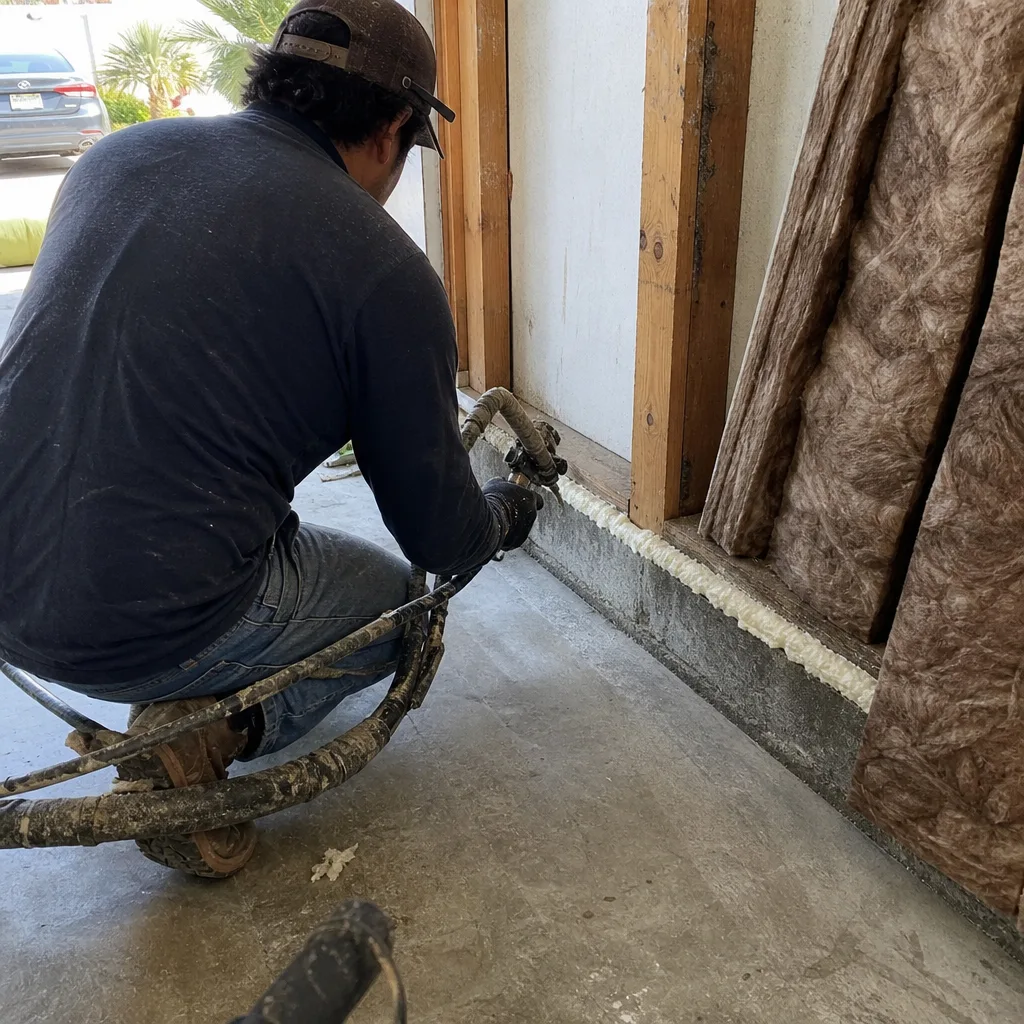
Call a licensed design-build studio when you encounter any of the following: a permit history with open or expired permits, visible structural modifications without engineering stamps, electrical panels with double-tapped breakers or obsolete equipment, plumbing that doesn’t match the permitted scope, or a contract that lacks line-item specificity and a written total price.
Ellery ADU Studio Garden Grove offers free estimates in Garden Grove. We also provide a Free Second Opinion on any written estimate already in hand. Call (657) 567-6590 to schedule. A live person answers calls 24/7. Every project is governed by The Haven Standard: a written price before work starts, a documented photo record on every visit, and a 365-Day Done Right Promise backed in writing.
Frequently Asked Questions
Visit the City of Garden Grove Community Development Department at 11222 Acacia Parkway and request a permit history printout for your address. Ask specifically for Certificate of Occupancy status, not just permit status. The OC Assessor’s online portal shows permit references but not completion status. Call (657) 567-6590 if you need help interpreting what you find.
Garage conversion ADUs in Garden Grove typically run $85,000-$165,000 all-in, from drawings through final inspection, depending on structural condition, utility extensions, and finish level. This range is always paired with a written price before work starts under Haven Standard Clause 1. Call (657) 567-6590 for an exact quote on your specific garage. Estimates are free.
Most unpermitted ADUs in Garden Grove can be legalized through a voluntary compliance process, not demolition. The path depends on how far the construction deviates from current code and whether the original work is structurally sound. We start with a documented assessment, then prepare a permit set that shows existing conditions and required modifications. Call (657) 567-6590 to discuss your specific situation.
A moment frame is a structural assembly that resists rotation at the joints, allowing large openings while maintaining seismic stability. In garage conversions, it replaces the bracing that the garage door once provided. Visible signs: steel columns at each side of the former door opening, or a wall section noticeably thicker than standard framing. Absence of either in a converted garage is a warning sign requiring professional evaluation.
Prefab and modular ADUs require the same local building permits as site-built units, plus HCD (state) approval of the factory. The local permit set must include HCD documentation, foundation plans specific to the unit’s attachment points, and a site logistics plan. We’ve coordinated installations of Mighty Buildings, Plant Prefab, and Tuff Shed systems under this dual-permit structure. The single-contract model covers both factory and field scope.
Under The Haven Standard, Clause 5 (No Surprises), the scope is locked at signing. No door-side upsells, no scope creep. The written price before work starts is the price at completion, assuming the documented existing conditions match what we assessed. If concealed conditions differ, we document them with photos and present a written amendment before proceeding. Call (657) 567-6590 for the exact terms that govern your project.
From signed contract to Certificate of Occupancy, a garage conversion ADU typically takes 8-14 months in Garden Grove: 2-4 months for design and permitting, 4-8 months for construction, and 1-2 months for final inspection and CO issuance. New detached ADUs and complex site conditions extend this timeline. We provide a written schedule with milestone dates before construction starts. Call (657) 567-6590 for a timeline specific to your property and ADU type.
The Bottom Line
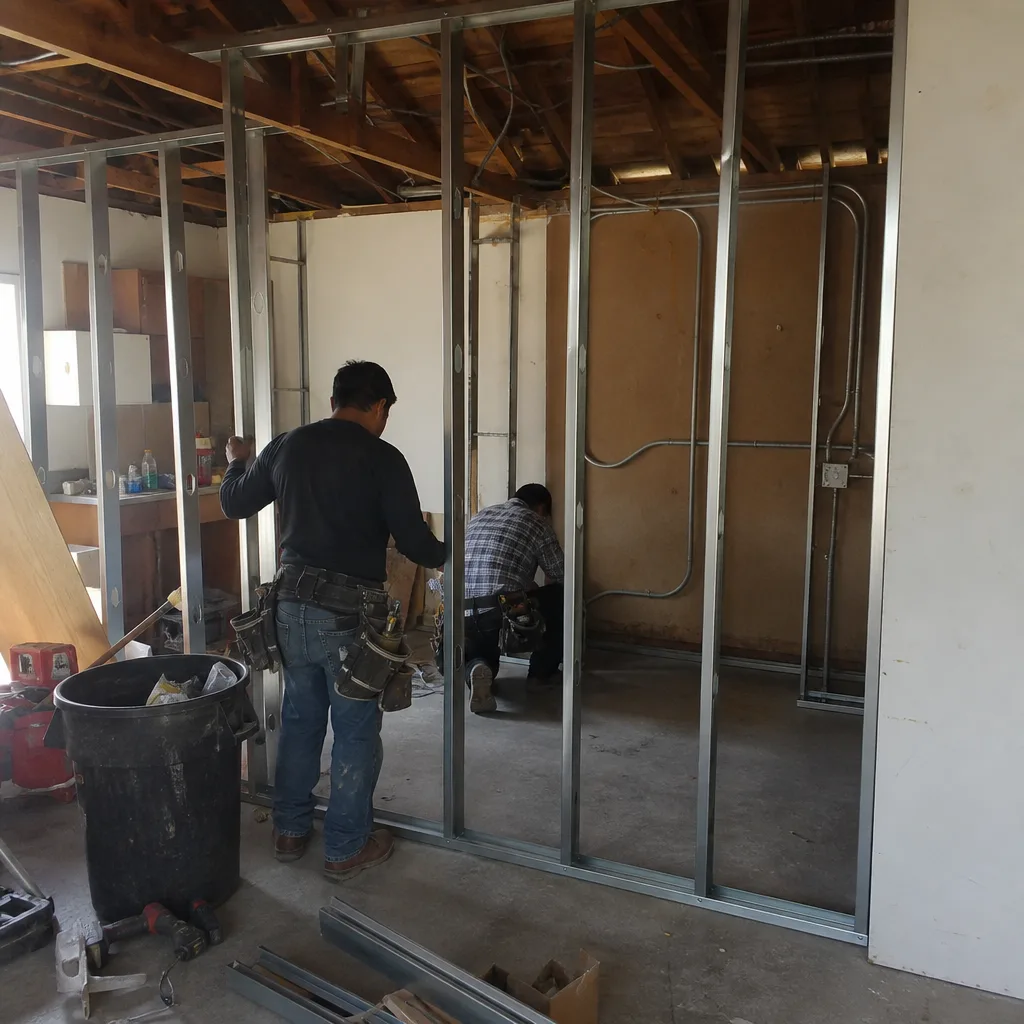
The ADU warning signs that cost Garden Grove homeowners money are in the documents, not the drywall. Verify the Certificate of Occupancy, not just the permit. Read the contract for subcontractor disclosure and line-item specificity. Check that electrical and plumbing work matches the permitted scope and current code. For prefab units, confirm HCD compliance and foundation precision before the truck leaves the factory. Visible defects matter, but only after the paper trail confirms you’re starting from a legal, documented baseline. A design-build studio with a single contract, a written price, and a documentation commitment eliminates the gaps where these warnings hide.
Written by Nadia Ellery, Owner at Ellery ADU Studio Garden Grove, serving Garden Grove since 2015.